

Somebody shows you a wrist release on a Saturday afternoon. Your partner grabs politely, you twist out, everyone nods. Six months later, with a stranger yelling in your face, it’s gone. That’s the honest problem with a lot of self-defense instruction: it looks good in the room and has nothing behind it when it counts. Effective self-defense training has to deal with fear, with words, and with the fact that the best fight is the one that never happens.
It starts in the wrong place
Most classes open with the physical. Grabs, strikes, releases. But a physical response is the last thing on the list, not the first.
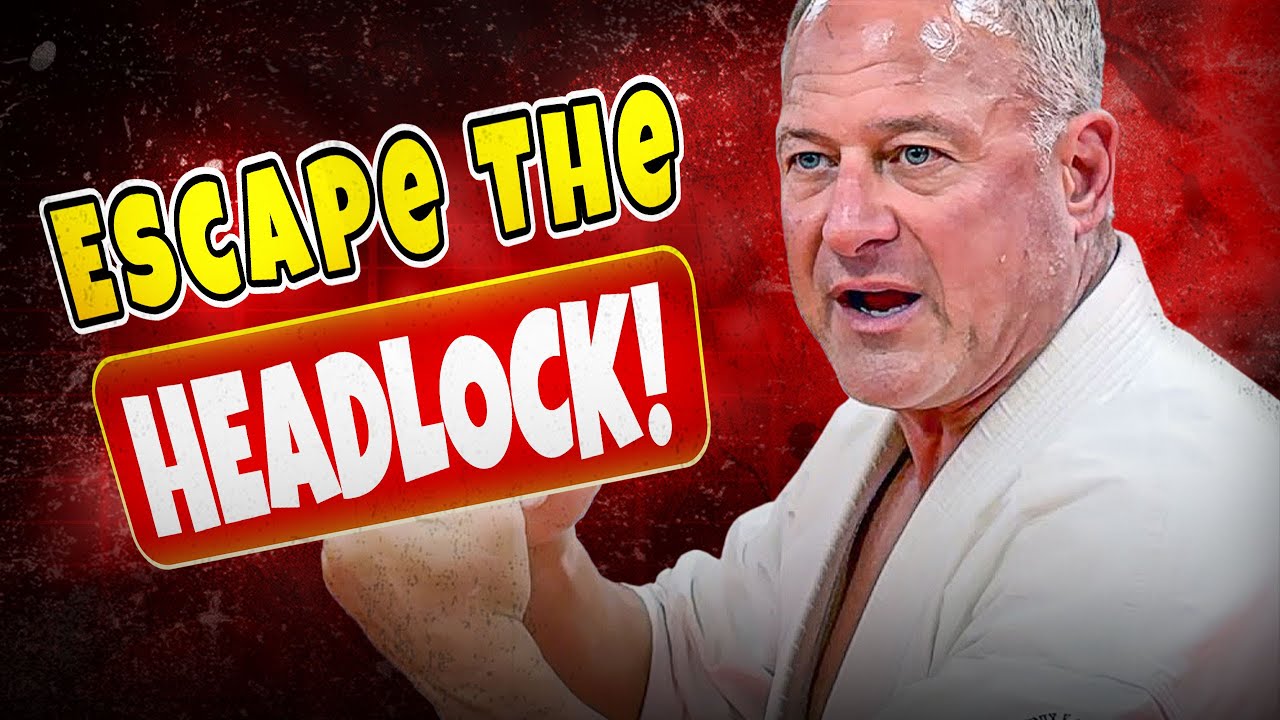
In that video I put it this way: “It’s the law of diminishing returns. Nobody wins when it goes physical.” Even when you come out on top, you can get hurt, you can hurt someone more than you meant to, and you can end up explaining yourself to the police. The real wins in self-defense are mostly quiet. You noticed something early and left. You talked a heated person down. You never had to find out how good your wrist release was.
A class that skips awareness and verbal de-escalation is teaching the last chapter of the book first. I wrote a separate piece on verbal de-escalation because I think it’s the skill you’ll use most.
Practiced calm, performed scared
Here’s the second failure point. Techniques get learned in a calm, friendly room. They get needed in a body flooded with adrenaline.
That changes everything. Under stress, many people find their hands shaking, their vision narrowing, and their thinking getting slow and simple. A technique with six steps and a precise grip doesn’t survive that. Our FAST program page says it bluntly, and I agree: complicated techniques fail in real situations. The fix isn’t more complicated technique. It’s simpler technique, practiced while you’re actually under stress, until your body trusts it.
That’s the whole idea behind our FAST Defense Program. Fear Adrenal Stress Training means you practice simple strikes live, in the adrenal state, so the first time you feel that rush isn’t the moment you need to act.
Cooperative partners and one-day seminars
Two more problems.
First, a partner who never resists teaches you a move but not a skill. In the dojo we drill cooperatively first, and that’s correct. Then pressure gets added, a little at a time, so you learn what it feels like when someone doesn’t go where you want them to. Over time, a drill stops being a drill. As I tell students, you start brain mapping it until it’s yours.
Second, skill takes repetition. A single afternoon can give you good information, and good information is worth having. It can’t give you a reflex. Reflexes come from doing the thing many times, over weeks and months, with someone correcting you.
Confidence that hasn’t been tested
The quietest failure is false confidence. Someone takes one class, learns three moves, and feels ready. That person may walk toward a situation they should be walking away from.
Good training should make you more careful, not less. Listen to how I put it in the video, after all my years of bare-knuckle, bare-shin Kyokushin: “God forbid something did, I hopefully believe that I have the skill set and mindset to defend myself or a loved one that I’m with.” Hopefully. That word is there on purpose. The more you understand about real violence, the less interested you are in having any part of it. (The rest of that Q&A, including why we don’t punch to the face bare-knuckle, is in your Kyokushin questions answered.)
What effective self-defense training looks like
If you’re comparing classes in Monmouth County or anywhere else, here is what I’d look for.
Awareness comes first. You learn to spot trouble before it reaches you.
Words come second. You practice de-escalation and clear boundaries out loud, not just in your head.
Physical skills are simple. A few strikes and escapes you can do while scared.
You train under some stress. Not just slow, polite reps.
It’s ongoing. One session is a start, not a finish.
The instructor is honest. Nobody should promise you’ll be safe or that you’ll win.
And one line every good instructor should say out loud: self-defense laws vary by state, so know what your local law allows before you ever need it.
Questions
What makes self-defense training effective?
Effective self-defense training puts awareness and de-escalation first and keeps physical technique simple. It practices that technique under real stress, not only in a calm room. And it’s repeated over time, because a skill you’ve done once isn’t a skill yet.
Is a one-day self-defense seminar worth it?
A seminar can give you useful information and a starting point. It can’t build reflexes, which come from repetition over weeks and months. If you take one, treat it as the beginning and keep practicing.
Do I need to be in shape to start self-defense training?
No. You start where you are. The physical skills worth learning for self-defense are simple on purpose, and a good instructor will meet you at your level.

Anthony Codispoti
Shuseki Shihan, Founder & Headmaster
Founder and headmaster of The Phoenix Way in Shrewsbury, NJ.
More from Self-Defense


30 days free
We are the only facility in the area confident enough to offer you 30 Days Free. What do you have to lose?
170 Patterson Ave, Shrewsbury, NJ 07702
Claim your free month
Your name and email address will not be sold, shared, or disclosed to anyone. We promise to respect your privacy.

© 2026 The Phoenix Way