
Street vs. Sport: What Martial Arts Training Can and Can't Do
Anthony Codispoti ·
5 min read ·
Post a karate video online and someone will tell you it would never work on the street. I hear it all the time. The question underneath it is fair, though, and if you’re weighing martial arts for real self-defense, it deserves a straight answer instead of a sales pitch. Here’s what I believe training can do for you, what it can’t, and why the difference between the dojo and the street matters less than the comment section thinks.
We’re not on the street
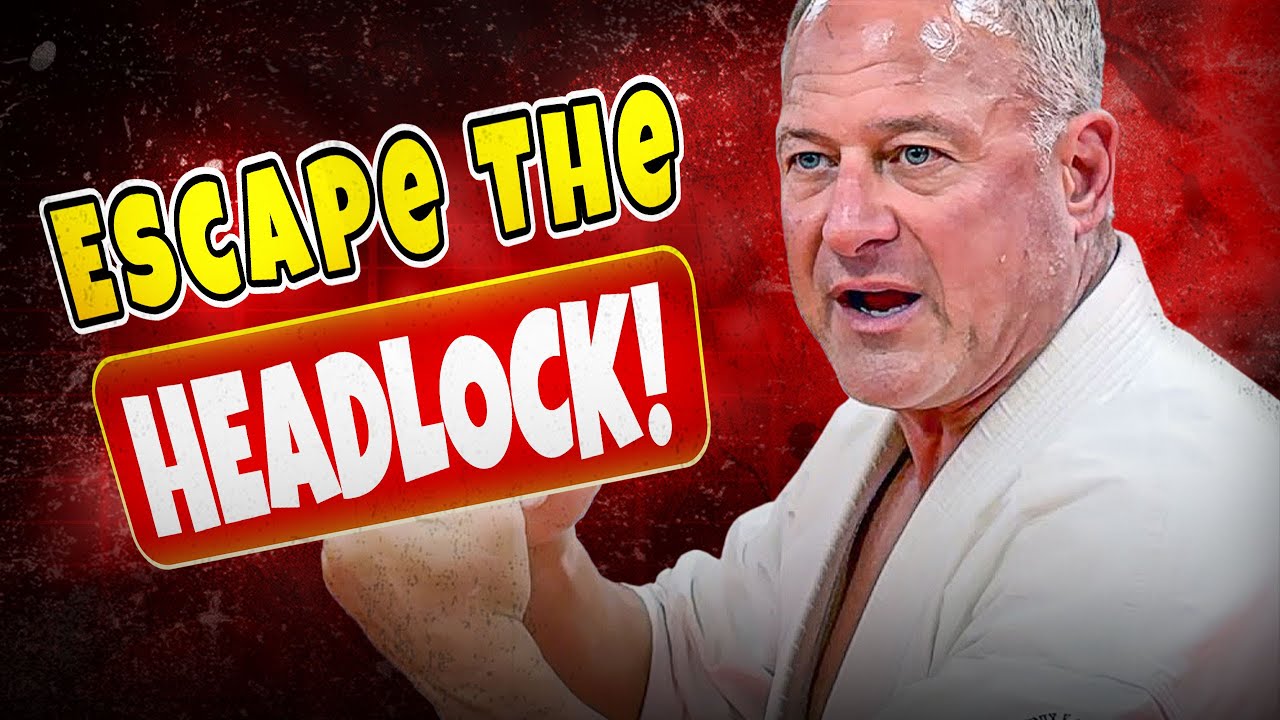
In that session we’re working spins off a hit, kicks to the head, angles off the line. Some of it you’d probably never do in a parking lot. I said so in the middle of class:
“So when people are going to look at you and say, oh, that’ll never happen on the street. Okay, well, we’re not on the street. We’re doing something, an athletic endeavor. We’re kind of pushing ourselves, we’re kind of having fun, doing something cool, doing something different we probably wouldn’t do on the street.”
That’s not an excuse. It’s an accurate description. Not every drill in a dojo is meant to be a street encounter. When we kick to the head in Kyokushin, we do it with control, because we’re training partners, not enemies. When we spin, it’s to build timing and balance and to have some fun. And even then, the spin in that video isn’t a “patty cake spin.” It comes off a hit, in the midst of fighting.
What training can do
Here’s what years on the mat actually give you.
Comfort with contact. Most people have never been hit. The first time is a shock. A student who has done kumite knows they can take a shot and keep their head.
Distance and angles. Getting off the line, so you’re not standing directly in front of someone who’s coming forward, is a skill you build in the dojo and keep for life. I go deeper on it in fight training: get off the line and work the angles.
Good habits under pressure. In that video I talk about keeping a cover hand up even when you’re the one attacking: “I’m better off with my hand hitting my face than his knuckles.” Habits like that show up when you need them, because you’ve repeated them hundreds of times.
Honesty about bare-knuckle reality. Kyokushin is predominantly bare-knuckle, bare-shin fighting. You learn quickly that hands are fragile. Our biggest fear on a body shot is catching an elbow, which is why we sometimes strike with an open palm or a forearm instead. That kind of knowledge is worth more than a highlight reel.
A calmer nervous system. Training teaches you to breathe, reset, and think while someone is pressing you. That carries over.
What training can’t do
It can’t guarantee anything. Nobody can promise you’ll win a confrontation or walk away unhurt. Weapons, more than one attacker, bad footing, bad luck. Training improves your odds. It doesn’t erase risk.
It can’t replace awareness and de-escalation. The best self-defense outcome is the one where nothing happens. In my own experience, the greatest successes on the street have been talking situations down before they went physical. Nobody wins when it goes physical. That’s why awareness and words come first, and why I wrote about why so many self-defense classes fail when they skip those parts.
It can’t make a bad decision a good one. Skill can make people overconfident. A trained person who walks toward trouble is still walking toward trouble.
It doesn’t change the law. Self-defense laws vary by state, so know what the law allows where you live. Training doesn’t give anyone a license to fight.
Why people actually train
Here’s the other thing the comment section misses. Most people don’t come to the dojo to get ready for a street fight. In our Q&A video I put it this way:
“We’re here for so many different reasons, the spiritual, mental, and physical side of what we do. It’s to learn a functional skill of self-defense, to be around a wonderful community of people, and getting in really good shape. Not one of those things said, ‘So I can go street fight.’”
Self-defense is part of it, and an important part. But it lives inside something bigger.
Getting the most from both
If you want training that covers the whole picture, our Adult Class here in Shrewsbury is a complete mixed martial arts program, with Kyokushin stand-up, Judo takedowns, and Jiu-Jitsu on the ground, plus physical and mental preparation for the street. If your main goal is handling fear and adrenaline in a real confrontation, add our FAST Defense Program, where simple strikes are practiced live under stress alongside awareness and verbal de-escalation.
Questions
Does martial arts training work in a real fight?
Training can give you real advantages: comfort with contact, better distance and timing, good habits, and a calmer mind under pressure. It can’t guarantee an outcome. The most important self-defense skills are awareness and de-escalation, which keep you out of a fight in the first place.
Which martial art is best for self-defense?
Look for training that covers striking, the clinch, takedowns, and the ground, with real resistance, plus awareness and verbal skills. No single art covers everything, which is why our adult program combines Kyokushin, Judo, and Jiu-Jitsu.
Is sport sparring bad for self-defense?
No. Sparring teaches timing, distance, and composure under pressure, and those carry over. Some sport techniques wouldn’t be your first choice on the street, and that’s fine. Just understand which parts of your training are sport and which are self-defense.

Anthony Codispoti
Shuseki Shihan, Founder & Headmaster
Founder and headmaster of The Phoenix Way in Shrewsbury, NJ.
More from Self-Defense


30 days free
We are the only facility in the area confident enough to offer you 30 Days Free. What do you have to lose?
170 Patterson Ave, Shrewsbury, NJ 07702
Claim your free month
Your name and email address will not be sold, shared, or disclosed to anyone. We promise to respect your privacy.

© 2026 The Phoenix Way