

Parents rarely sign a child up for karate because they want them to learn to kick. They sign up because they want a kid who listens, tries hard, and treats people well. Martial arts discipline for kids is the reason a lot of families walk through our door in Shrewsbury. So it’s fair to ask what that discipline actually looks like, and whether any of it makes it home.
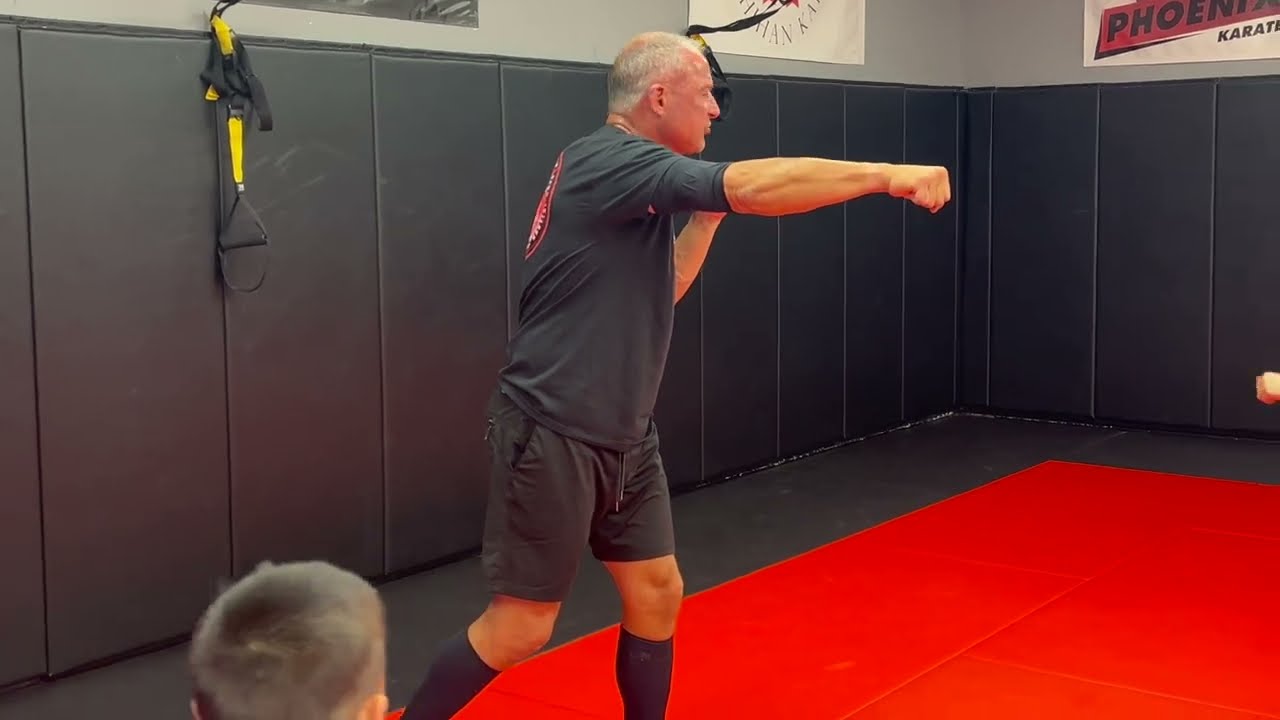
What discipline means in the dojo
When people hear “discipline,” they often picture punishment. That’s not what we mean. In the dojo, discipline is something a child does, not something done to them.
It looks like a lot of small habits repeated over and over. Listening when the instructor speaks. Answering with a clear voice. Trying a combination again after getting it wrong, slowly at first. Showing respect to the instructor and to the kid across from you. Finishing the drill even when your legs are tired.
Our Kid Class is built to drive self-discipline, respect, teamwork, leadership, perseverance, and a never-quit spirit. None of those is taught in a lecture. Each one gets practiced, in small doses, every class. The goal is a child who is physically strong and mentally strong, and the mental part comes from doing the hard thing when nobody is forcing you.
A dojo also gives a child something home can’t always give: a neutral adult. Kids will sometimes take a correction from an instructor more easily than the same correction from Mom or Dad. That isn’t a knock on parents. It’s just how kids are wired, and it’s one reason the habits stick.
What parents notice at home
Parents tell us about changes they see that have nothing to do with karate technique.
One of my favorites: a parent described how her kids come home from class and want to practice what they learned. That turns into playing other games together, talking clearly and kindly with each other, and spending time together instead of reaching for a screen. She believed it was a carryover from class. I do too.
Parents also mention mat chats, the talks we have with kids on the mat. Their kids come home eager to share what they talked about. Other families tell us their children have learned respect for others and respect for themselves, and that their confidence carries into other parts of their lives.
None of this happens overnight, and it doesn’t happen the same way for every child. But when it does show up, it usually shows up at home first.
How to reinforce it at home
You don’t need to run your house like a dojo. A few simple habits help the lessons travel.
Ask your child to teach you. “Show me one thing from class.” Teaching is the fastest way to learn, and it puts your child in a leadership role for a few minutes.
Hold your own mat chat. At dinner, ask what they talked about in class. Let them lead the conversation.
Use the same language. If your child has learned about passive, aggressive, and assertive, use those words. “That sounded a little aggressive. What would assertive sound like?”
Praise effort, not just results. In class we care about whether a kid kept trying. At home, notice when they stuck with something hard.
Protect the routine. Consistency is where discipline comes from. Kids progress at their own pace, and regular training, even once a week, builds the habit.
Model it. If you want a child who keeps their word and treats people with respect, they’ll be watching how you do it.
These are the same habits that make good leaders at work and in families, which I wrote about in what the dojo teaches about leadership.
Don’t expect a robot
A child who trains martial arts is still a child. They’ll forget their manners, have bad days, and push back. That’s normal. Discipline in the dojo sense isn’t about obedience. It’s about a kid learning, bit by bit, to manage themselves: their focus, their temper, their effort.
If you’re weighing karate against other activities for your child, our honest comparison of martial arts vs. team sports may help.
Questions
Does martial arts help kids with discipline?
It gives kids a structured place to practice self-discipline in small doses every class: listening, trying again, respecting others, and finishing hard things. Results vary from child to child. Many parents tell us they see the change at home in how their kids act and talk.
Is karate discipline too strict for young kids?
Discipline in our dojo isn’t about punishment or harshness. Classes are structured and there are clear expectations, but there’s also a lot of energy and friendly competition. Kids progress at their own pace.
How can I reinforce what my child learns in karate?
Ask your child to teach you a move, talk about their mat chats at dinner, and use the same words they hear in class. Praise effort, keep training consistent, and model the respect you want to see.

Anthony Codispoti
Shuseki Shihan, Founder & Headmaster
Founder and headmaster of The Phoenix Way in Shrewsbury, NJ.
More from Kids & Confidence


30 days free
We are the only facility in the area confident enough to offer you 30 Days Free. What do you have to lose?
170 Patterson Ave, Shrewsbury, NJ 07702
Claim your free month
Your name and email address will not be sold, shared, or disclosed to anyone. We promise to respect your privacy.

© 2026 The Phoenix Way